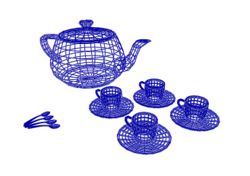
 The Canvas 3D JS Libary (C3DL) is a JavaScript library that will make it easier to write 3D applications using WebGL. It provides a set of math, scene, and 3d object classes that makes WebGL more accessible for developers that want to develop 3D content in browser but do not want to have to deal in depth with the 3D math needed to make it work.
Satellite Photos – Japan Before and After Tsunami – Interactive Feature – NYTimes.com
Satellite Photos – Japan Before and After Tsunami – Interactive Feature – NYTimes.com. Trully Impressive. Huge devastation. We should not take things for granted…
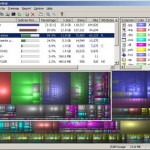 Using cushion squarified treemaps, your hard drive contents are displayed graphically. The visualization is great to understand how your drive’s space is being used. Everytime I use a tool like this I end up deleting or compressing large files that are no longer used.